






Research
at JUNIA
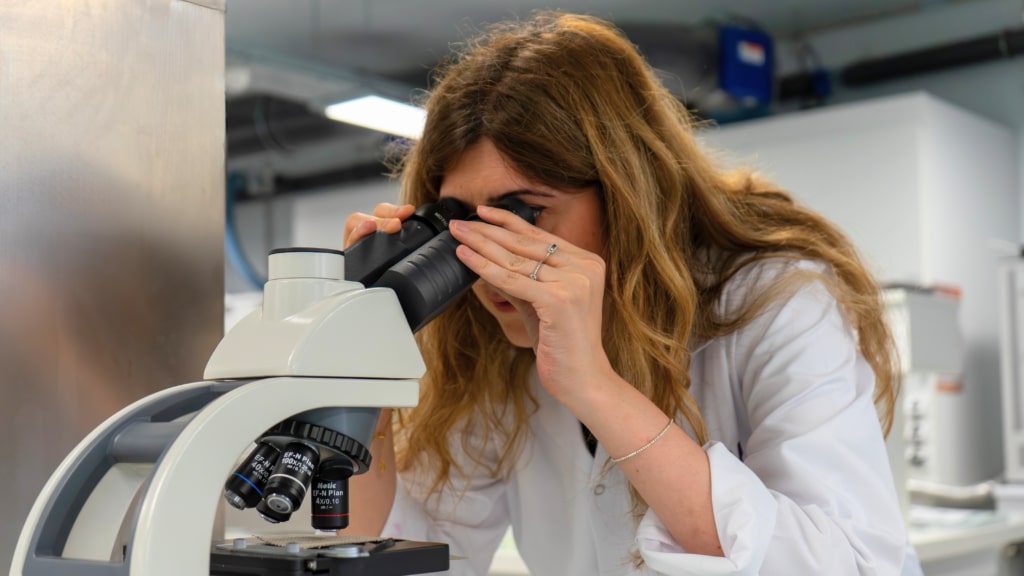
At JUNIA, research is used to transform real-world challenges into concrete solutions, in collaboration with businesses, local communities, students, and their teachers.

"Our goal is to address today’s major challenges by developing useful, robust, and transferable solutions across our three campuses. Our strength lies in our ability to combine scientific excellence, technological innovation, experimentation, and partnerships with businesses and local communities."
Applied research connected to the real world
Our researchers are working on agricultural, energy, industrial, digital, environmental, and societal transitions.
Their goal: to generate useful knowledge, test new approaches, and support their implementation in the field.
This approach is based on:
- collaborative projects;
- experimental platforms;
- demonstration projects;
- academic and industrial partnerships.
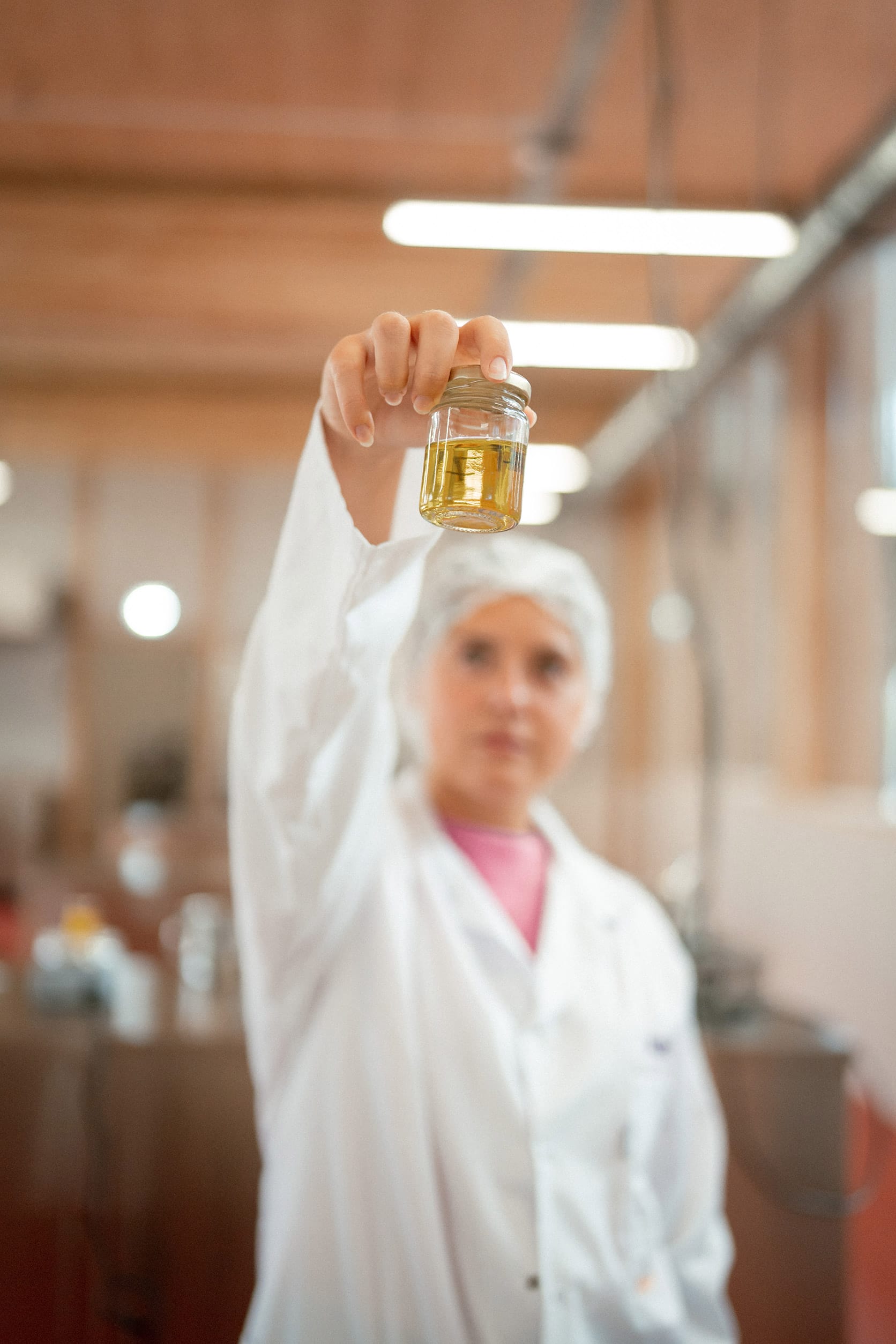
4 major areas of research

Sustainable Agriculture and Food
Produce, process, and feed people in a more sustainable way.

Energy and Regions
Envisioning more efficient and resilient energy systems.

Industry, Digital Technology, and Artificial Intelligence
Support the transformation of production tools and technologies.

Health, Environment, and Quality of Life
Working to promote human health while preserving resources and ecosystems.
Expertise That Drives Transitions Forward
Behind every challenge lies scientific expertise, dedicated teams, and collaborations with academic and socio-economic partners.
Research Developed in Collaboration with Students and Businesses
Because research gains value when it is shared, it informs training programs and helps generate new solutions to the challenges organizations face.

Learning Through Research
Lab internships, scientific projects, presentations by researchers, or research tracks: students learn how a scientific question is transformed into an experiment and then into a practical application.

Developing Solutions with Businesses
Companies participate in the work carried out by JUNIA's teams at various stages: experimentation, validation, technology development, and innovation support.
JUNIA Research by the Numbers
Applied research, carried out by multidisciplinary teams and conducted in close collaboration with industry stakeholders, local governments, and academic partners.
A Recognized Scientific Ecosystem

BioEcoAgro Laboratory
Agriculture, food, the environment, and the sustainable management of living resources.

IEMN Laboratory
Digital, Electronics, Materials, and Advanced Technologies.

L2EP Laboratory
Electric Power, Smart Grids, and the Energy Transition.

LGCgE Laboratory
Water, the environment, sustainable construction, and land-use planning.

LITL Laboratory
Artificial intelligence, natural language processing, data science, and digital technologies.

BioPrev Laboratory
Prevention, innovation, and research in health, nutrition, food, and well-being.
Testing innovations before deployment
Smart Farming, Industry 4.0, Smart Grid, and Smart Mobility make it possible to test technologies under conditions that closely resemble real-world scenarios before they are implemented by businesses and local communities.
Explore our research ecosystem
Laboratories, experimental platforms, academic partnerships, and international collaborations: Discover the facilities, equipment, and partnerships that support JUNIA’s scientific activities.
Explore our research facilities
Research at JUNIA is organized around the major transitions transforming companies and regions: environment, agriculture, food, energy, digital technology, and industry. Researchers work on topics such as cybersecurity, smart electrical grids, robotics, innovative materials, sustainable agriculture, food quality, and natural resource management. This diversity makes it possible to combine different disciplines and develop concrete solutions to the challenges of our time.
Yes. JUNIA takes part in research-based training and hosts PhD students within its laboratories and research teams. Thesis work is carried out in connection with the laboratories co-supervised by or partnered with JUNIA, often in collaboration with universities, research organizations, and companies. This close connection with the field makes it possible to develop research that is both scientific and useful to economic stakeholders and local communities.
Companies can collaborate with JUNIA in various ways: joint research projects, feasibility studies, expert consulting services, prototype development, hosting PhD students, or participating in collaborative projects. Research teams work closely with companies’ needs to turn real-world issues into applicable solutions. This approach fosters knowledge transfer, innovation, and real-world experimentation.
A demonstrator is a platform used to test a technology or solution under conditions close to real-world use. At JUNIA, demonstrators are used to experiment with, validate, and improve innovations before they are deployed. The school has demonstrators dedicated in particular to smart electrical grids, sustainable mobility, the agriculture of the future, and Industry 4.0. They allow researchers, students, and companies to work together on real-world projects and assess their impact in the field.
Yes. Research is an integral part of the learning experience at JUNIA. Students regularly work on issues drawn from laboratories and research projects. Depending on their track, they may take part in scientific projects, complete a laboratory internship, or learn applied research methods. This approach connects scientific knowledge to the challenges faced by companies and society.
JUNIA is currently a joint supervisory institution for six research laboratories: IEMN, L2EP, LGCgE, LITL, BioPrev and BIOECOAGRO. These laboratories bring together researchers working in complementary fields such as electronics, energy, civil engineering, digital technologies, agriculture and the environment. In total, more than 100 faculty members and researchers contribute to JUNIA’s scientific activities in collaboration with companies, local authorities and academic partners.