



Our Demonstrators
Test, experiment, validate. JUNIA demonstrators make it possible to evaluate innovations under conditions that closely resemble real-world scenarios before they are deployed in businesses and regions.

Spaces for testing under real-world conditions
Demonstration sites bring together researchers, students, companies, and partners in experimental spaces dedicated to major agricultural, energy, industrial, and environmental transitions.
They provide an opportunity to test technologies, observe how they are used, and validate their effectiveness before deploying them on a larger scale.
Work with our experts

Smart Farming
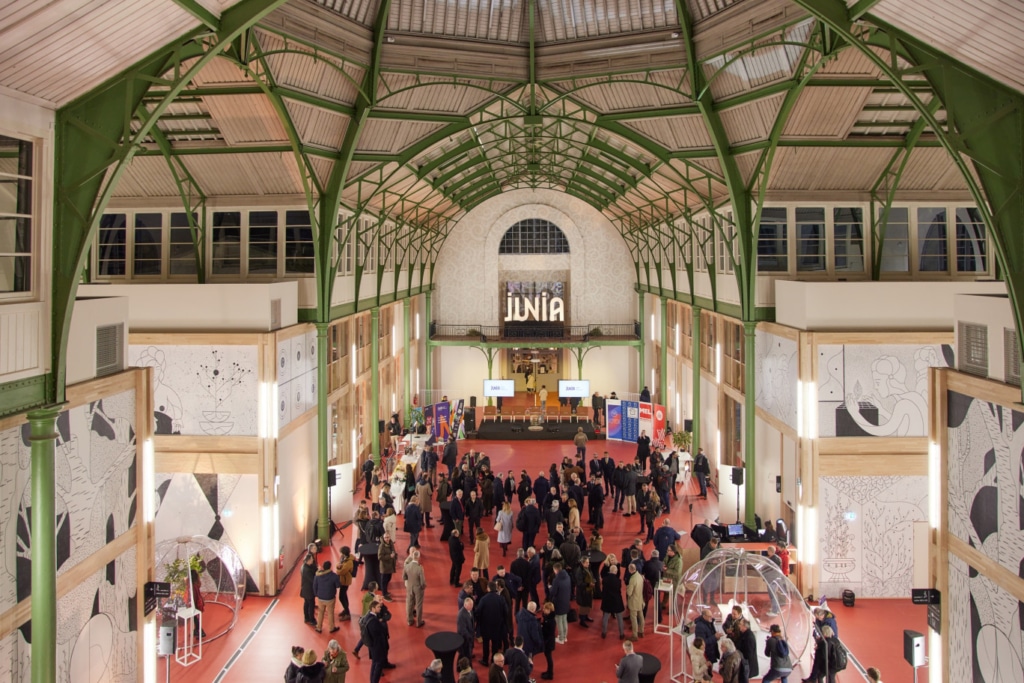
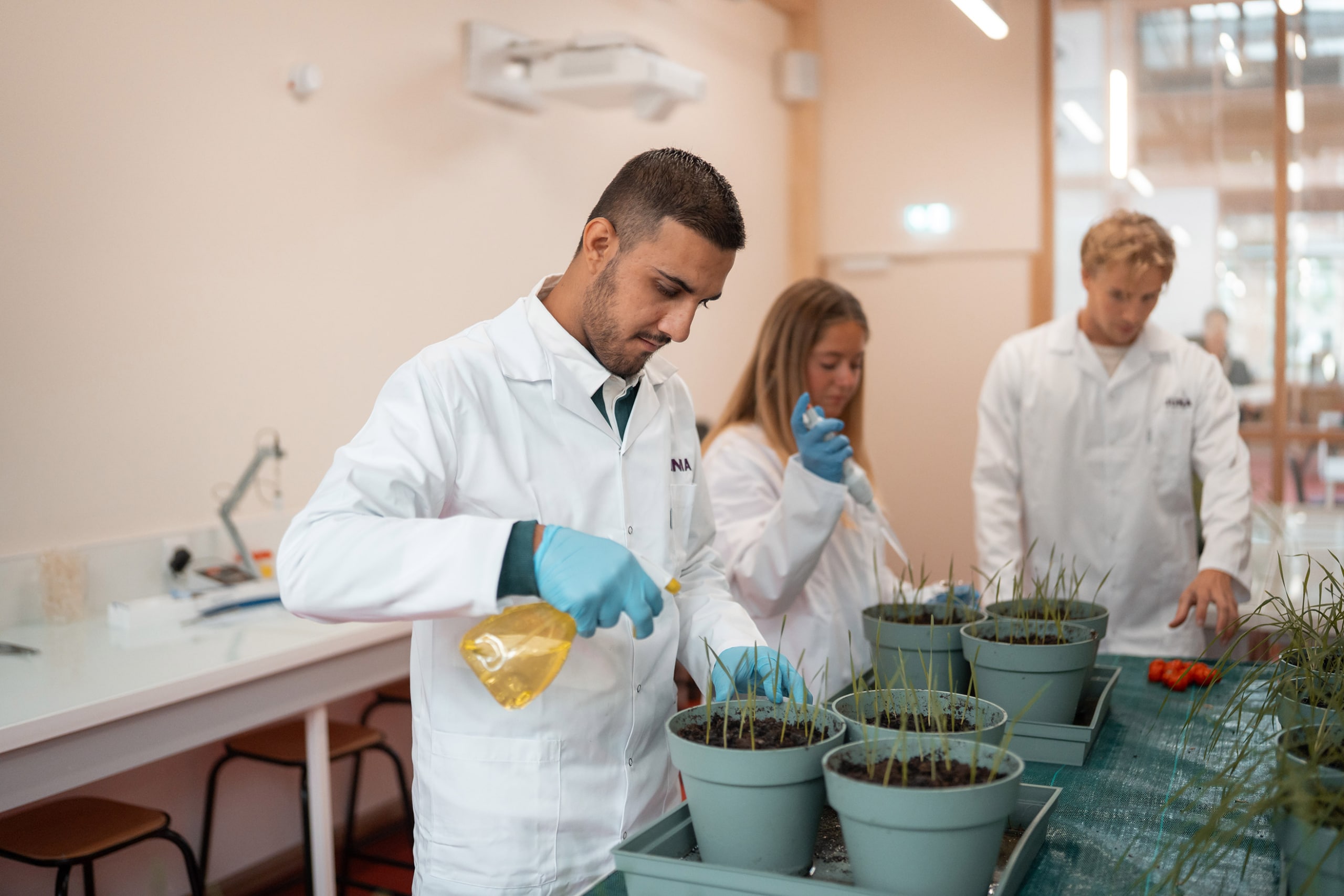
Located at the Palais Rameau, Smart Farming explores issues related to agricultural production, food processing, and consumer behavior. It provides a space to experiment with new agricultural practices, evaluate food products, and analyze consumer expectations in light of the challenges of sustainable agriculture and the future of food.
What it allows you to test:
-
- – innovations for the agriculture and food systems of the future.
- – the quality, acceptability, and perception of food products;
- – value creation from agricultural raw materials;
- – new approaches to food processing;
- – more sustainable and resource-efficient production methods;
- – Adapting agricultural systems to climate change.

Factory 4.0
Located in the heart of the Lille campus, the factory of the future spans 170 m² of high-tech equipment on display in the showcase area of the Norbert Ségard building. This space is dedicated to digital and industrial innovation. The Factory 4.0 demonstration facility is at the forefront of the future, greatly benefiting JUNIA students and faculty researchers, who have a testing ground to illustrate their courses and research and apply their technical and industrial skills.
What it allows users to test:
-
- – integration of digital technologies into production environments;
- – monitoring and optimizing industrial performance using data;
- – Remote maintenance and support using augmented reality;
- – 3D printing and additive manufacturing;
- – automation and robotization of production lines;
- – New manufacturing and assembly methods.

Smart Grid & Smart Mobility
This demonstration facility enables experimentation with new approaches to energy management, renewable energy integration, and smart grid control. It combines generation, storage, electric vehicle charging, and energy optimization in a test environment that closely mimics real-world conditions to support the energy transition.
What it allows you to test:
-
- – interactions between mobility, infrastructure, and energy systems.
- – new connected mobility solutions;
- – data-driven optimization of energy consumption;
- – smart charging of electric vehicles;
- – integration of renewable energy into existing grids;
- – Energy production, storage, and consumption at the building or neighborhood level.
Check out our demo units


Test Before Deployment
Validate a technology or process before its large-scale deployment.
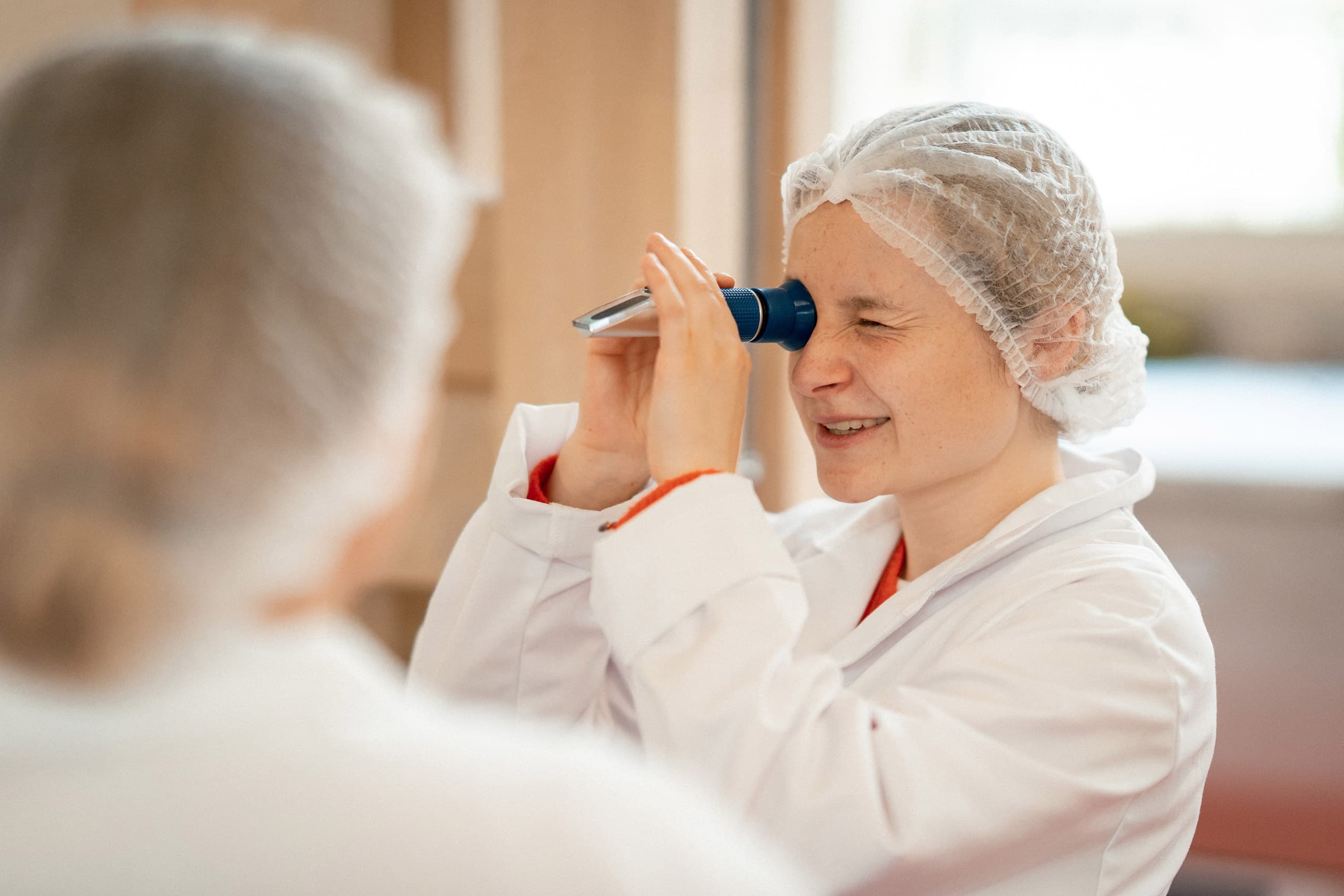
Observe the customs
Understanding how users interact with an innovation in a realistic environment.

Reducing Risks
Identify any technical, economic, or operational constraints before making the investment.

Accelerate Innovation
Move a project forward more quickly by bringing together equipment, expertise, and partners in one place.
What Makes Experimentation Possible
The demonstration projects draw on laboratories, experimental platforms, and scientific expertise to design, test, and evaluate new approaches before their deployment.

Where projects take shape
Learn about the research centers that support the experiments conducted at the demonstration sites.

Building New Projects Together
Companies, local governments, and academic partners can use the demonstration systems to evaluate a technology, explore new applications, or support the development of an innovation project.
A demonstrator is a platform used to test a technology or solution under conditions close to real-world use. At JUNIA, demonstrators are used to experiment with, validate, and improve innovations before they are deployed. The school has demonstrators dedicated in particular to smart electrical grids, sustainable mobility, the agriculture of the future, and Industry 4.0. They allow researchers, students, and companies to work together on real-world projects and assess their impact in the field.
A laboratory is a space dedicated to scientific research, experimentation, and the production of knowledge. A demonstrator comes into play at a more advanced stage: it allows an innovation to be tested in a setting close to real-world conditions in order to check its feasibility, performance, and uses. The two are complementary: the laboratory produces and develops knowledge, while the demonstrator puts it to the test in reality.
The demonstrators are regularly used for research projects, training, and collaborations with partners. Access and the possibility of a visit depend on the context, ongoing activities, and events organized by the school. To find out about access arrangements or organize a visit, it is recommended to contact JUNIA’s teams.
Yes. The demonstrators were designed, among other things, to encourage experimentation and collaboration with companies. They make it possible to test emerging technologies, evaluate solutions under real-world conditions, and develop innovation projects in partnership with JUNIA’s research teams.
JUNIA has four demonstrators dedicated to major transition challenges. Smart Grid and Smart Mobility are used to work on the production and consumption of renewable electrical energy. Smart Farming focuses on the challenges of food and the agriculture of the future. Usine 4.0 (Factory 4.0) is dedicated to the industry of the future, with applications in additive manufacturing, computer-aided manufacturing, and augmented reality maintenance. These demonstrators allow innovative solutions to be tested in situations close to real-world conditions of use.