


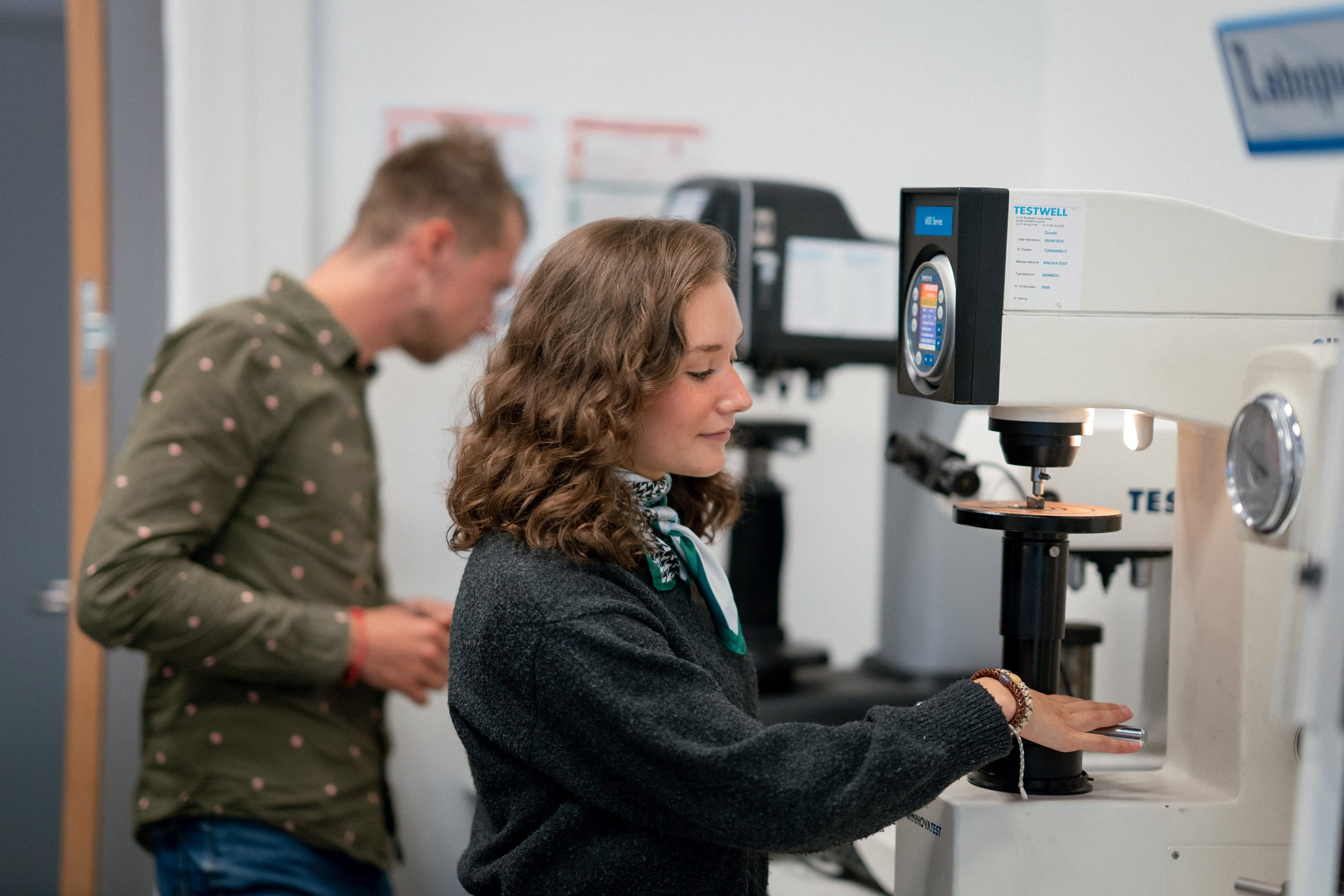
Becoming a Civil, Energy, and Industrial Engineer
Designing the Infrastructure and Systems of Tomorrow
Becoming an engineer means learning to understand complex systems and take concrete action. Since 1885, the HEI program has been training generalist engineers capable of building, transforming, and leading projects that address the major transitions of the 21st century.
To train engineers who can adapt to the technological, environmental, and societal challenges of today and tomorrow: that is the goal of the HEI program.
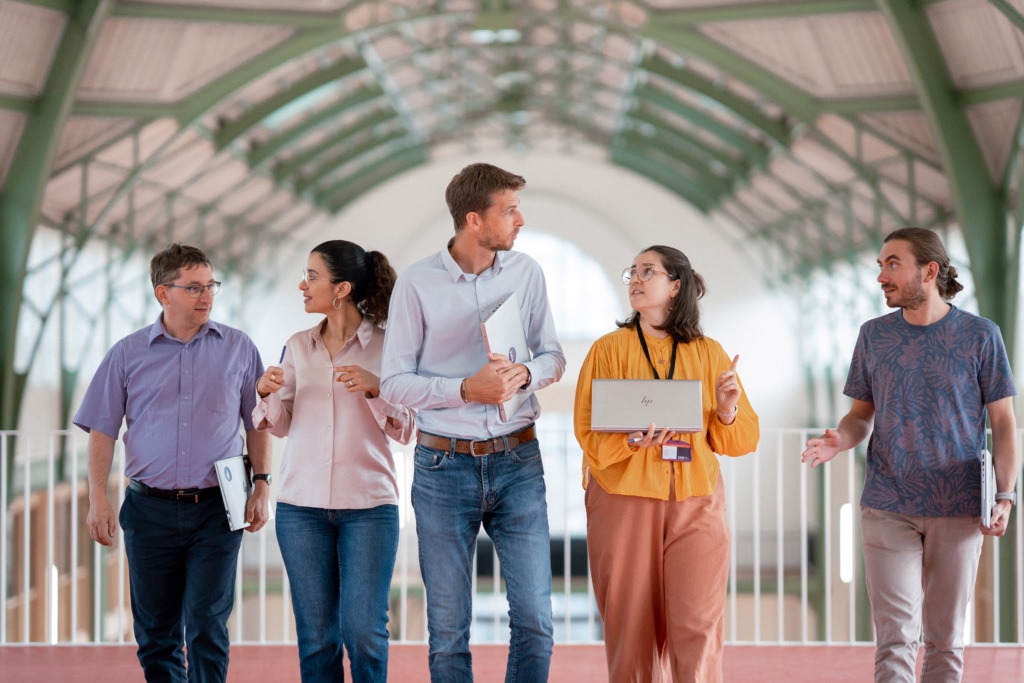
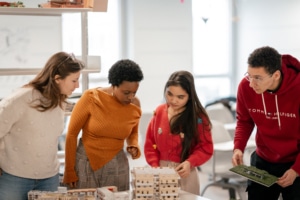
We offer an education that combines academic rigor, personalized support, an international outlook, and close ties with industry. Through hands-on projects, teamwork, and regular engagement with the professional world and the research community, our students develop strong technical skills as well as independence, a sense of responsibility, and an innovative spirit.
We support them in building a rich and varied educational journey to help them realize their potential and prepare them to thrive in a constantly changing world.
A generalist, open, and customizable training program
JUNIA’s HEI engineering program is built on a solid scientific foundation, followed by a gradual specialization in fields such as civil engineering, construction, energy, industry, materials, or mechanical engineering.
Students can also tailor their academic path to various sectors such as mechanical engineering, chemistry, textiles, logistics, finance, or marketing, depending on their career aspirations.
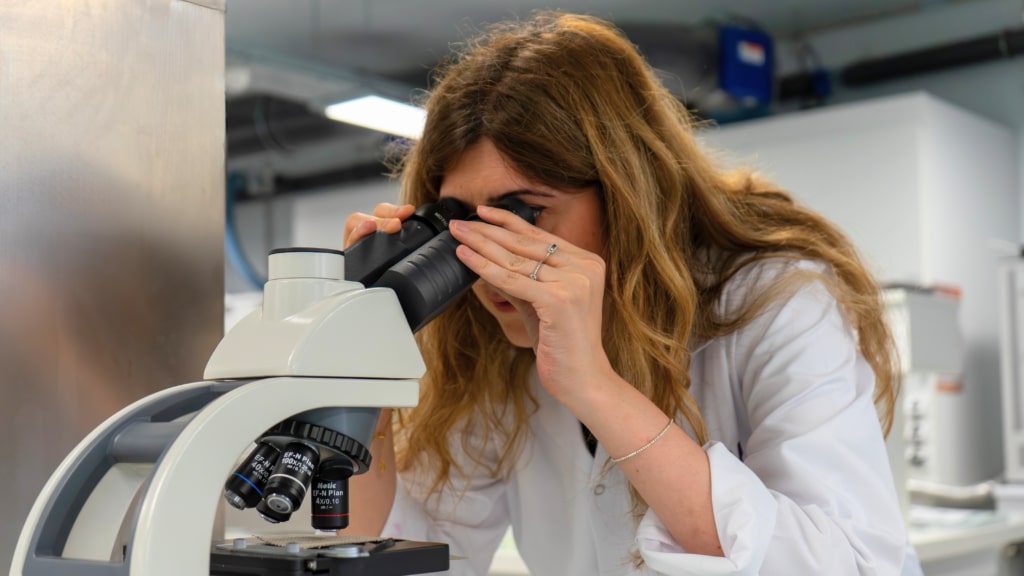
Project-based learning, in collaboration with industry and research, enables students to tackle real-world challenges related to sustainable infrastructure, energy efficiency, smart buildings, and industrial transformation.
International experiences enhance students’ global perspective and employability.
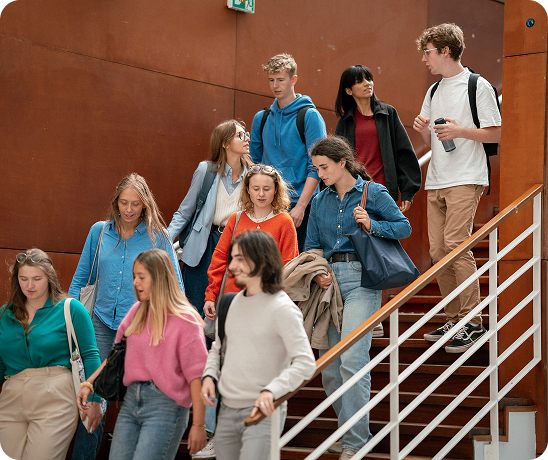
Throughout the program, personalized support and a vibrant student life help shape responsible engineers capable of addressing environmental and technological transitions.
Discover JUNIA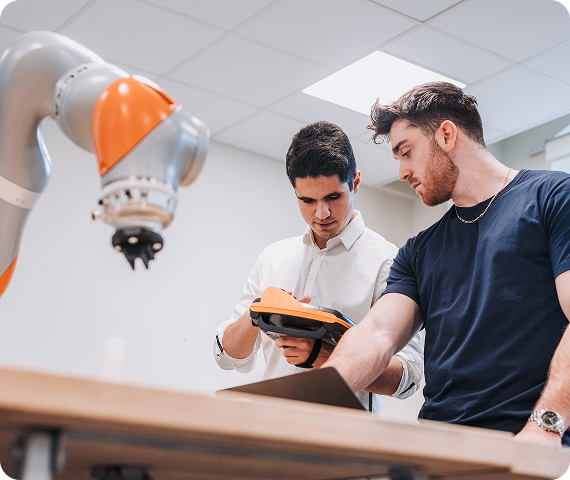
More than 135 years of expertise in industrial engineering
Discover the full range of engineering
The HEI program offers a general engineering degree that prepares students for careers in construction, infrastructure, energy, and industry through a progressive specialization during their initial training or through an apprenticeship.
The Numbers That Make Us Strong
Partners and Certifications



Engineering at the Heart of Local Communities
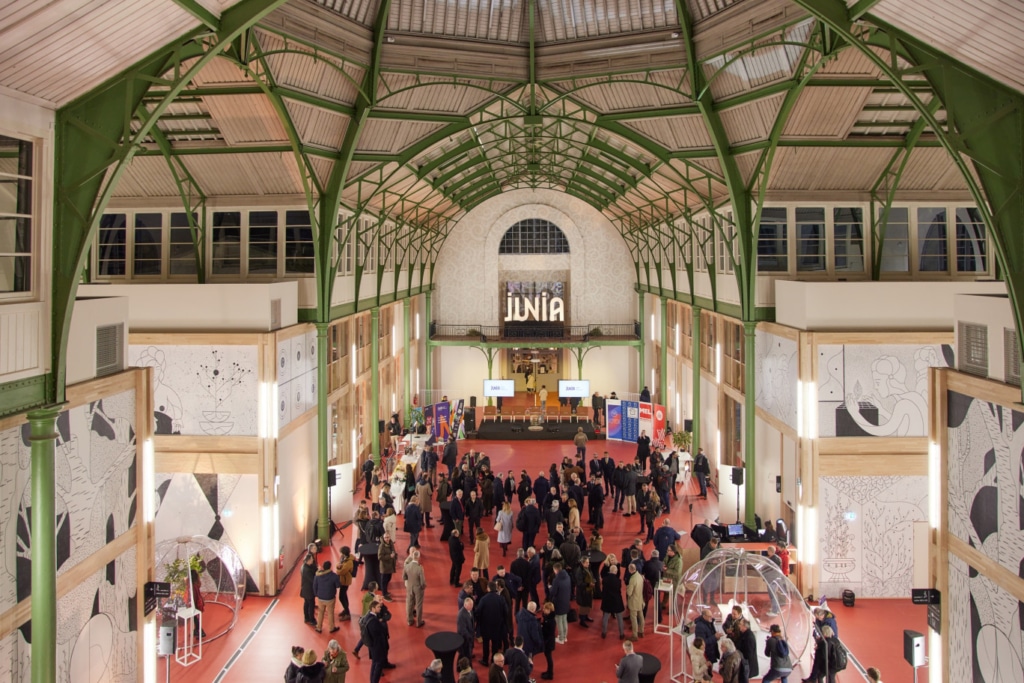
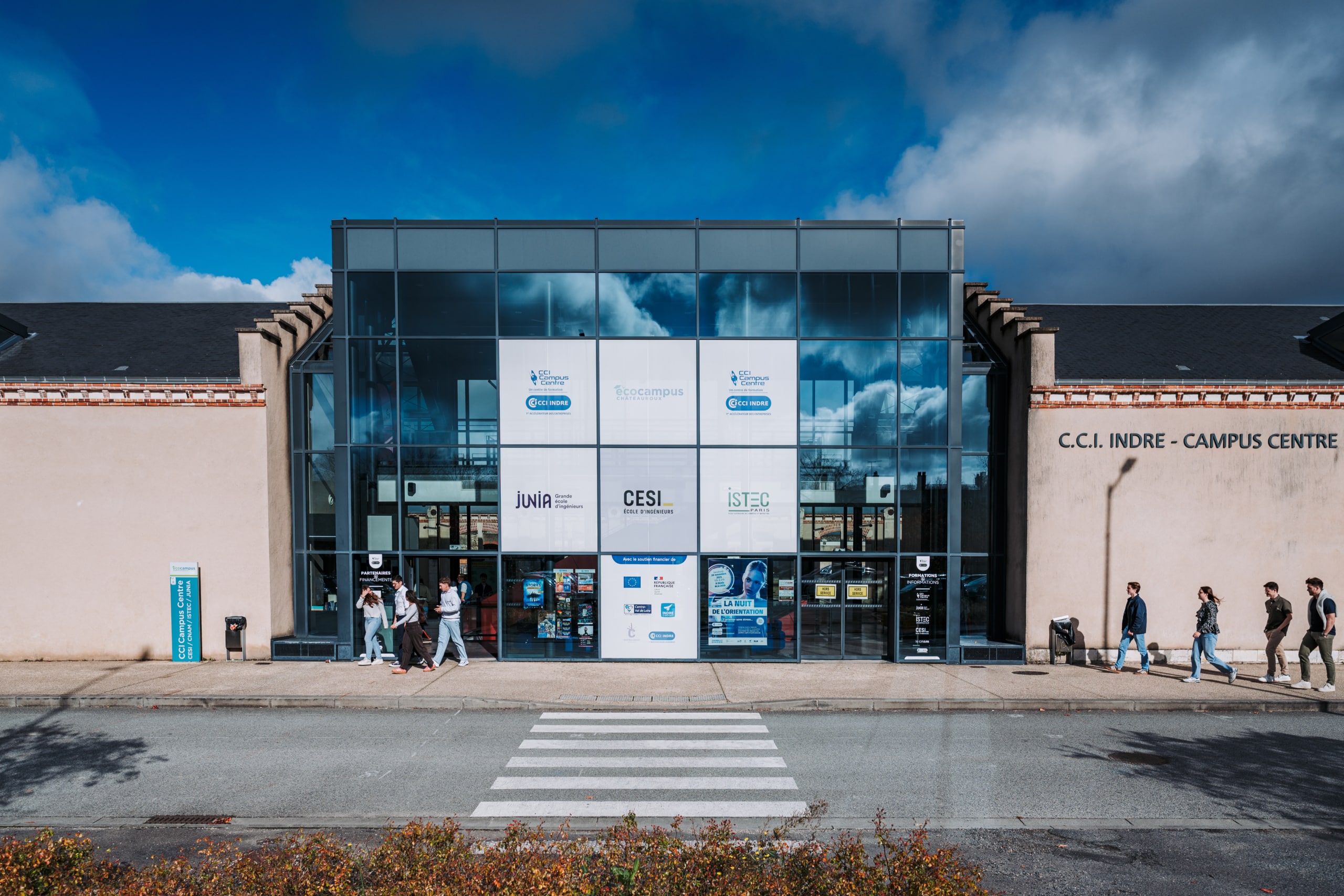
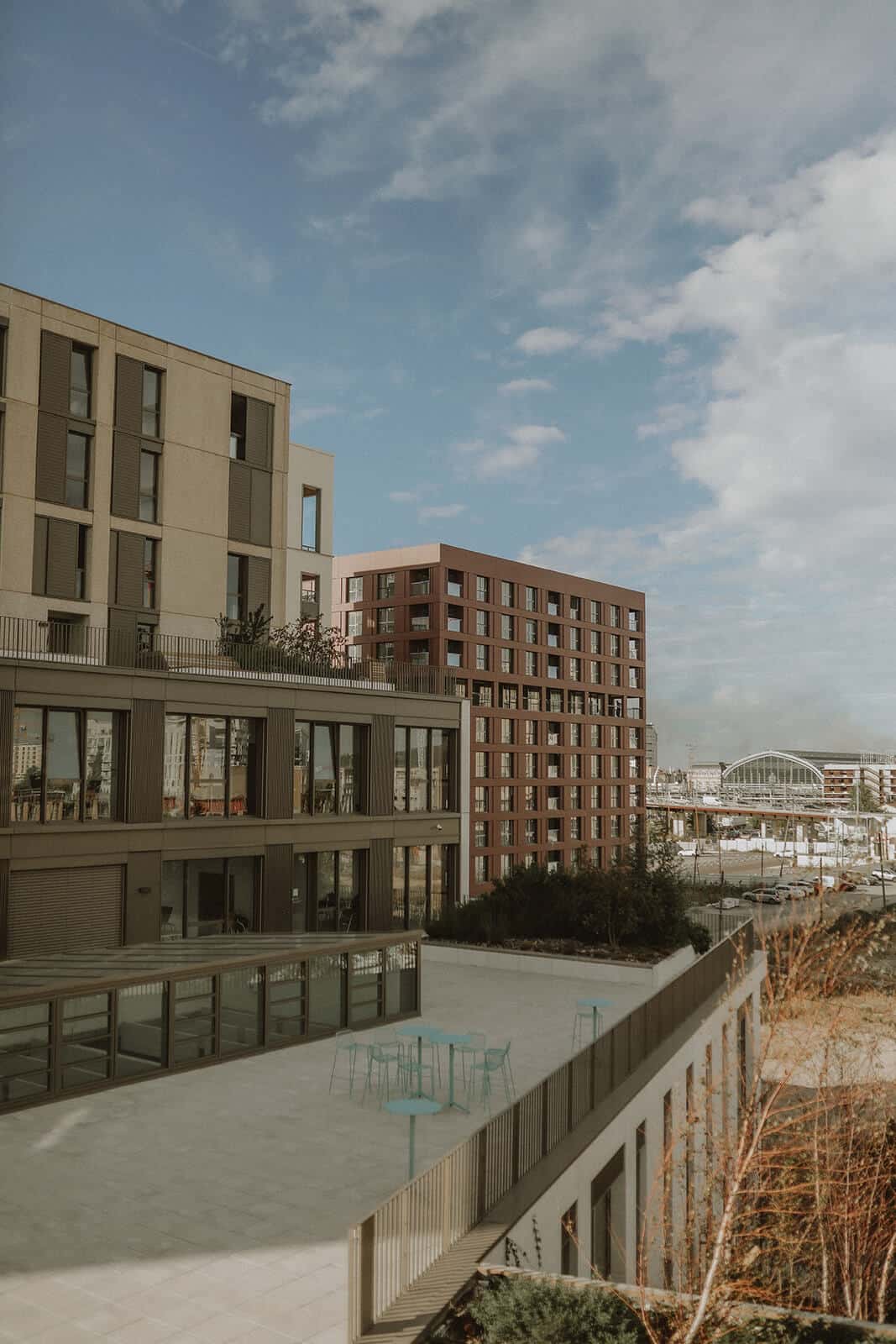
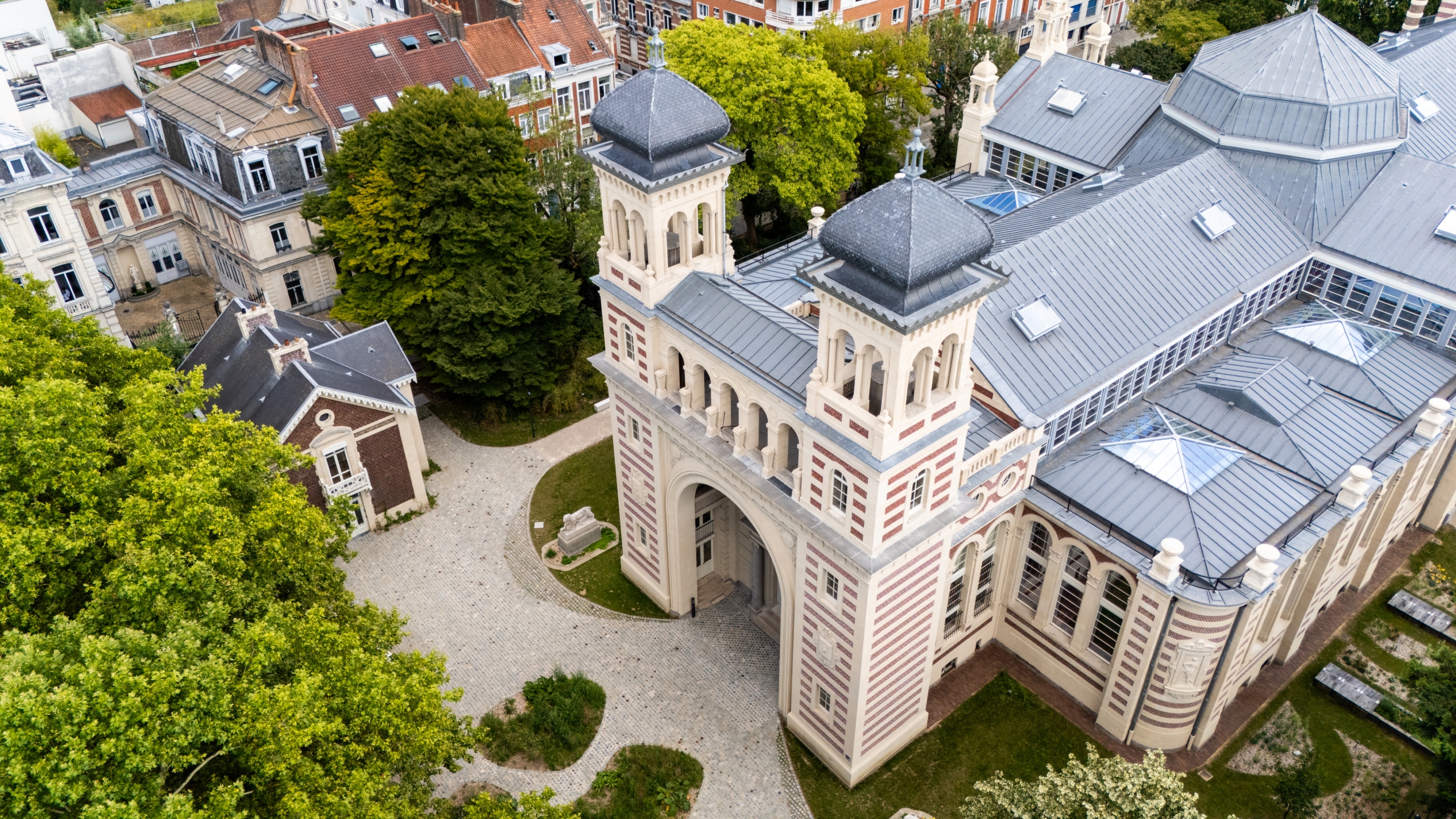
The HEI program is offered in Lille and Châteauroux. Each campus provides a tailored learning environment, complete with technical equipment, project spaces, and close ties to businesses, allowing students to learn in a real-world setting.
JUNIA Magazine
Download our training brochure
Check out all of our programs and courses, as well as all of the services available to JUNIA students.
Download the brochure
The HEI programme is open right after the baccalaureate through an integrated prep program (or an associated programme at a partner high school insert link), or through parallel admission at Bac+2/3/4 level depending on your level of study. Find all admission details here.
The HEI programme trains general engineers focused on industry, energy, and construction. The ISEN programme focuses more specifically on digital technology, computer science, and electronic technologies.
Students in the programme have the opportunity to specialize in a more specific area of engineering starting in the 4th year. Energy, construction, mechanics, aeronautics, healthcare, chemistry, digital technology, textiles, logistics, finance, marketing…