





Our Research Projects
Funded by European programs and carried out in collaboration with academic, industrial, and institutional partners, JUNIA’s research projects address concrete challenges related to agriculture, energy, industry, digital technology, health, and the environment.

Projects That Come to Life in the Field
Each research project brings together researchers, businesses, local governments, and scientific partners around a common goal: to generate new knowledge, test new approaches, and support major transitions.
This work makes it possible to explore new technologies, assess their potential under real-world conditions, and prepare for their deployment in the businesses, regions, and services of the future.

Adapting Agricultural Systems to the Challenges of Tomorrow
How can we produce sustainably in the face of climate change and pressure on resources?
This theme brings together projects that explore crop adaptation, water management, and evolving agricultural practices to strengthen the resilience of production systems.
Related projects:
• TOMORR'HOP
• PHYTOSCAN

Designing More Sustainable Energy Systems
Energy production, mobility, smart grids, and decarbonization: these projects explore new energy models capable of supporting changes in regions and usage patterns.
Related projects:
• RITMEA
• NextGenMobility
• UrbanIA

Developing Technologies for the Industry of the Future
From advanced electronics to artificial intelligence, these projects explore the technologies driving the transformation of industrial and digital activities.
Related projects:
• SHIFT
• MARMOTTE

Advancing Solutions for Health Care
These projects contribute to the development of new approaches to diagnosis, treatment, and patient care.
Related projects:
• Healthy Teeth
• HyFiDress

Supporting Independence and New Ways of Living
These projects are developing smart devices and systems designed to improve mobility, accessibility, and support for people.
Related projects:
• MOBIPAD
• FR2C

Conserving Resources and Revitalizing Regions
These projects support the ecological transition through soil management, pollution reduction, and the restoration of degraded areas.
Related project:
• DepolLowC
Behind every project lies a research environment
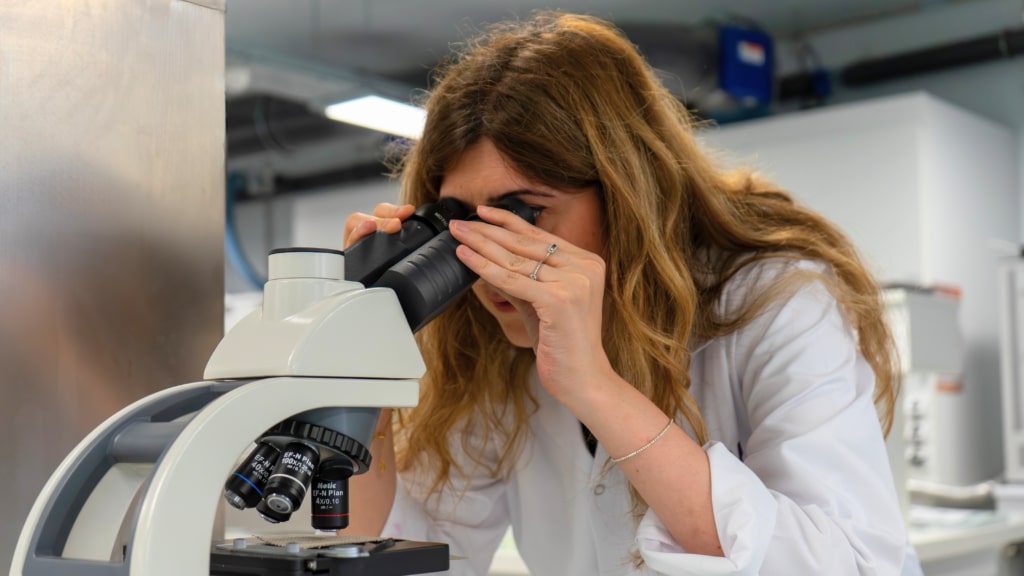
JUNIA research projects rely on laboratories, experimental platforms, and demonstrators that enable the testing of hypotheses, the evaluation of technologies, and the preparation for their deployment in real-world settings.

Where projects take shape
Laboratories, experimental facilities, and scientific equipment: discover the environments where research projects take shape and are carried out on a daily basis.

Test Before Deployment
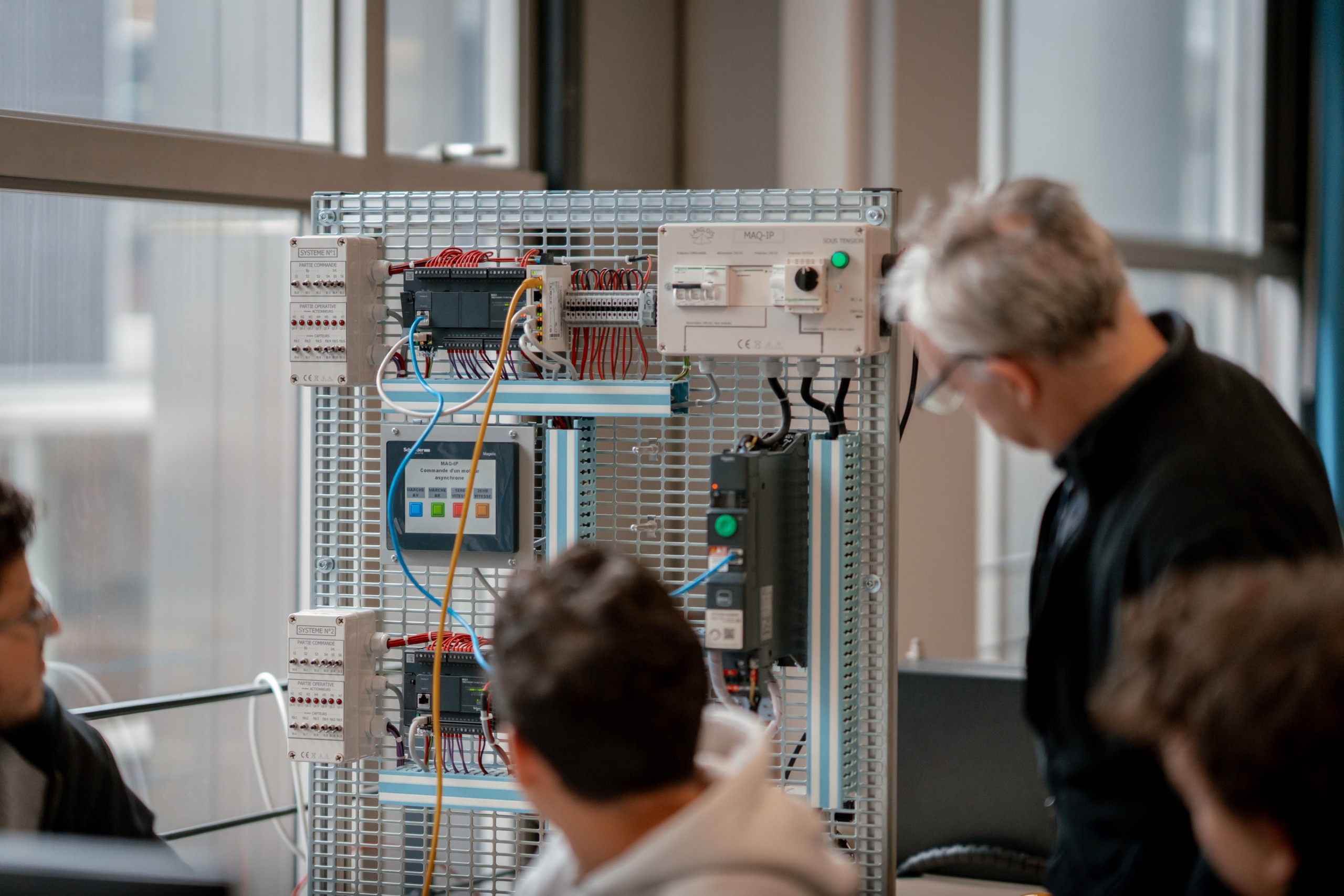
The JUNIA demonstration projects make it possible to test research results under conditions similar to those in the field in order to assess their feasibility, impact, and potential for application.
Research at JUNIA is organized around the major transitions transforming companies and regions: environment, agriculture, food, energy, digital technology, and industry. Researchers work on topics such as cybersecurity, smart electrical grids, robotics, innovative materials, sustainable agriculture, food quality, and natural resource management. This diversity makes it possible to combine different disciplines and develop concrete solutions to the challenges of our time.
A European research project is a program carried out in collaboration with several partners from different countries. It brings together higher education institutions, laboratories, companies, or public bodies around a common goal: generating new knowledge, developing innovations, or addressing a societal challenge. Thanks to its international academic and scientific partnerships, JUNIA takes part in collaborative projects that help advance research on major environmental, digital, energy, agricultural, and industrial transitions.
JUNIA’s research projects are tested within its laboratories, technology platforms, and demonstrators. These facilities allow hypotheses to be tested, prototypes to be developed, and solutions to be evaluated under conditions close to real-world use. Depending on the project, testing can also be carried out in collaboration with companies, local authorities, or other academic partners.
Yes. Companies can partner with JUNIA’s research teams through collaborative projects, joint research programmes, PhD theses, expert consulting services, or prototype development. These collaborations make it possible to work on real-world problems, test new solutions, and accelerate innovation in line with the needs of companies and regions.