




Our Research Facilities
Spaces for experimenting, analyzing, and turning ideas into concrete solutions.

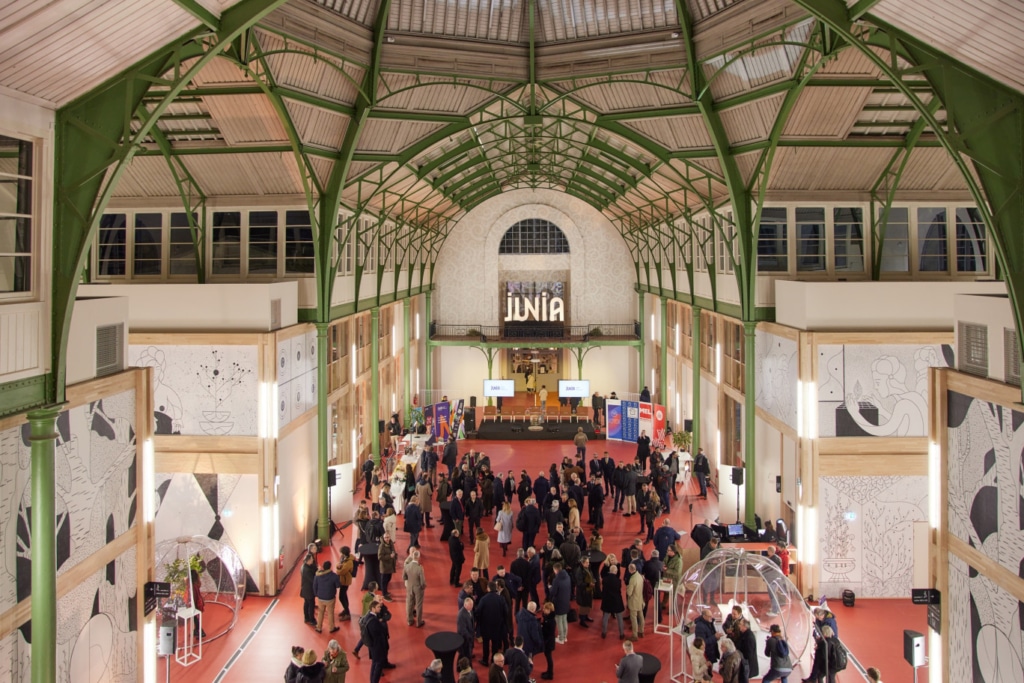
Spaces Where Research Takes Shape
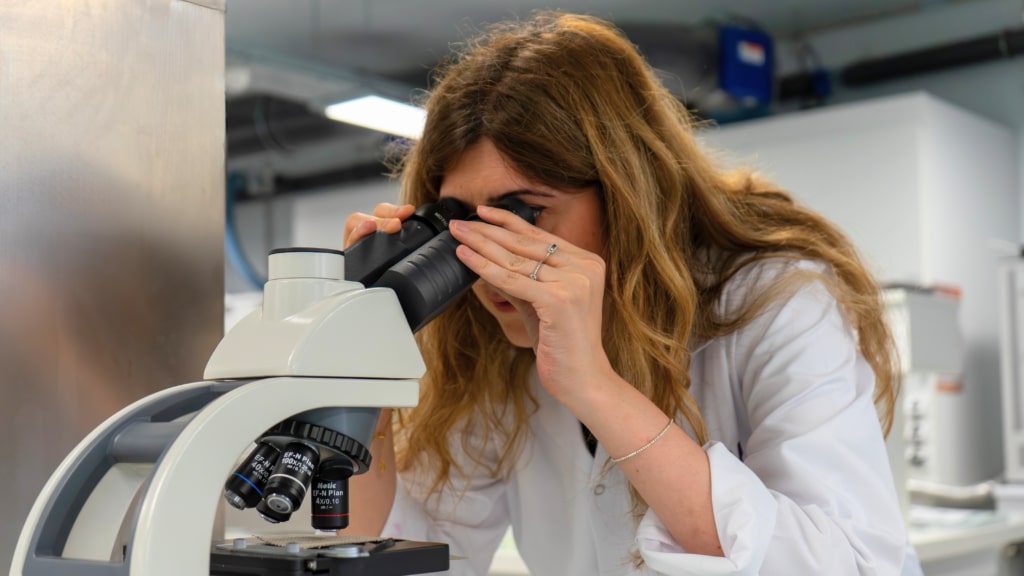
Each JUNIA research center brings together scientific expertise, specialized equipment, and academic or industrial partners. These resources enable the development of new knowledge, the characterization of materials, the analysis of applications, and the evaluation of technologies under controlled conditions.
Studying matter at all scales
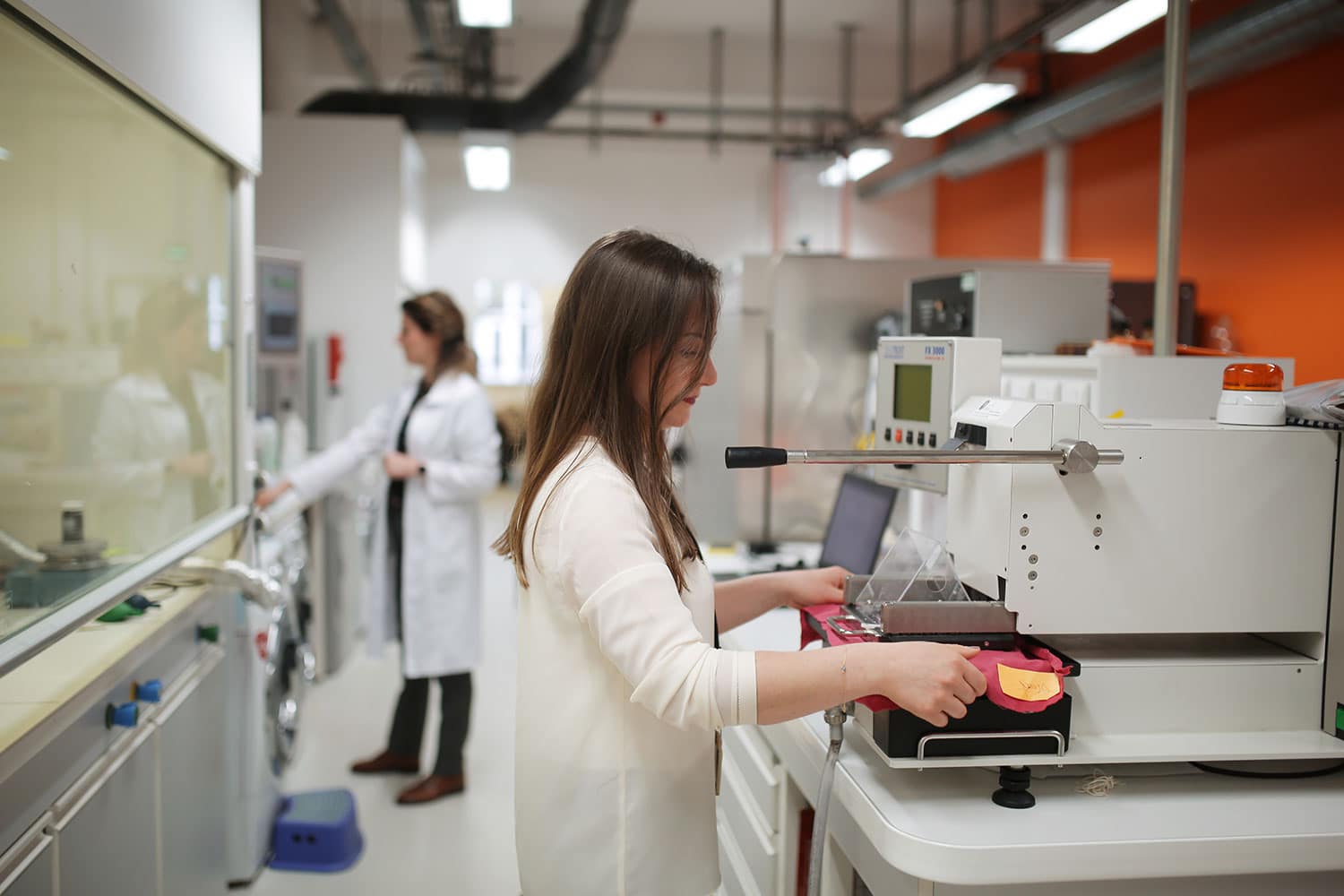
LINQ and Innovative Textile Materials enable the study of matter at different scales, the development of functional materials, and the exploration of quantum technologies.
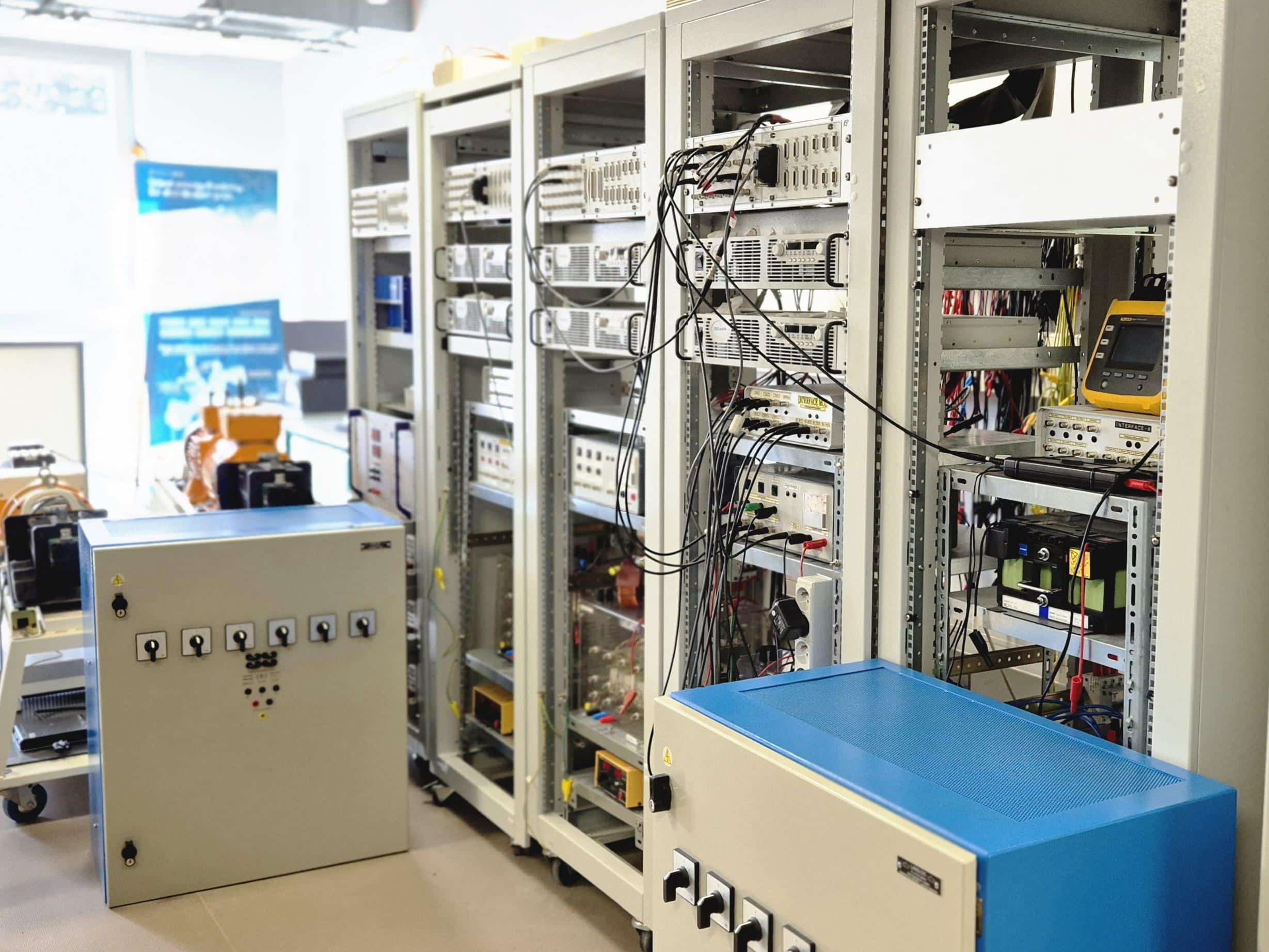
Designing the Energy Networks of Tomorrow
The Electric Power Platform enables the modeling, testing, and validation of energy management strategies applied to buildings, power grids, and the mobility solutions of the future.

Understanding Sound Phenomena
The LARS'N and the Acoustic Test Tank enable the study of sound perception, vibrations, and underwater acoustics in a variety of research and innovation contexts.

Gaining a Better Understanding of Usage and Perceptions
SENSUUM helps companies and research teams evaluate products, concepts, and user experiences using recognized sensory analysis methodologies.
Explore our laboratories and platforms


Spaces Dedicated to Projects and Demonstrators
The research facilities support the scientific projects and proof-of-concept demonstrations developed by JUNIA. They enable the exploration of new avenues, the evaluation of technologies, and the preparation for their implementation.

Explore Current Projects
Funded by national or European programs, these research projects draw on JUNIA’s expertise and equipment to address concrete challenges.

Test Before Deployment
Demonstration projects allow research findings to be tested under conditions similar to those in the field before they are implemented.
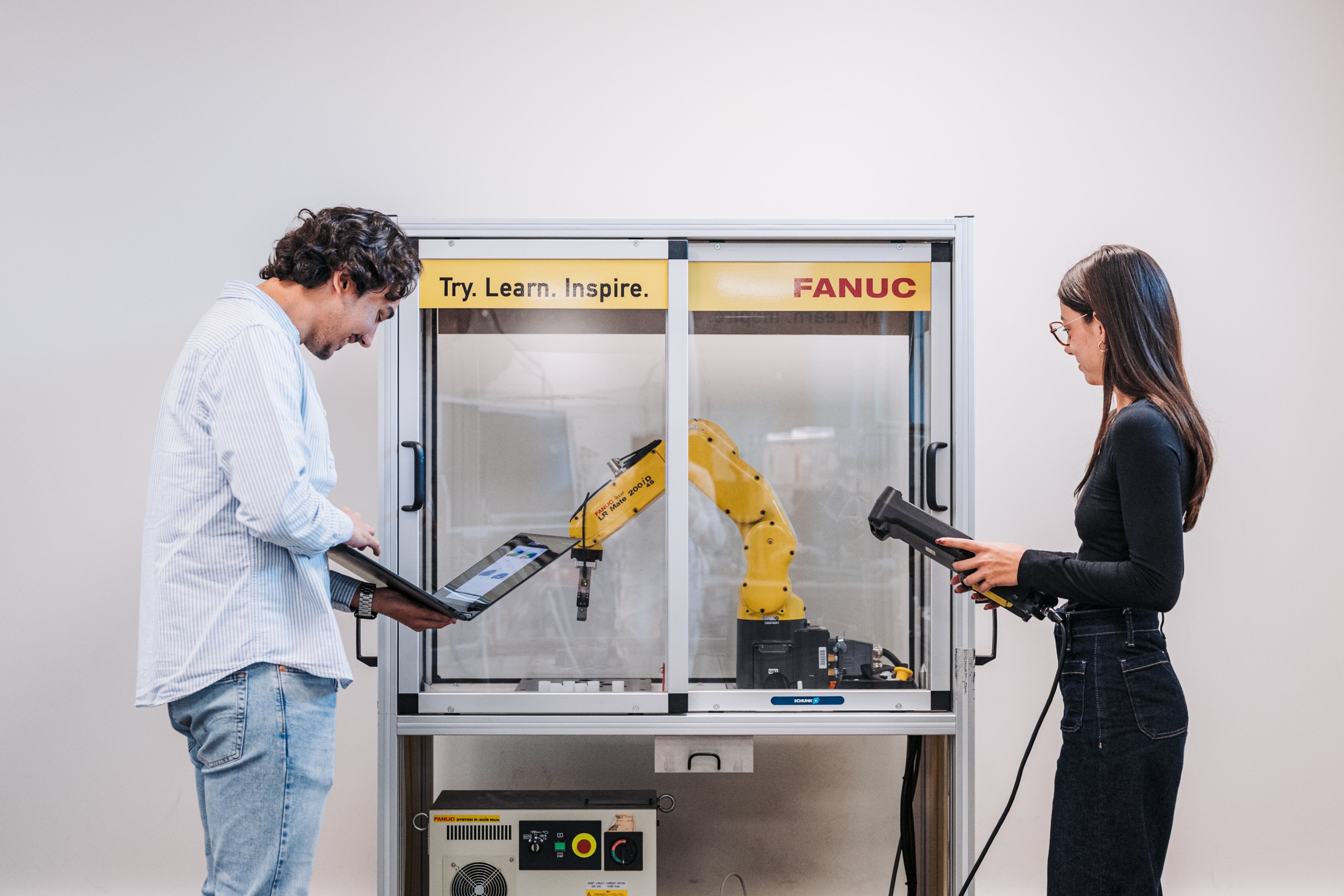
JUNIA provides its researchers, students, and partners with laboratories and technical platforms dedicated to experimentation and innovation. These include, in particular, an acoustic test tank, a microelectronics design and characterization platform, laboratories dedicated to cybersecurity, robotics, quantum physics, sustainable chemistry, sensory analysis, agriculture, and microbiology, as well as spaces dedicated to innovative construction materials and soil analysis.
A research space is a laboratory or scientific platform where researchers carry out experiments, analyses, and development work. A demonstrator, on the other hand, is used to test a technology or solution under conditions close to real-world use. At JUNIA, demonstrators are used to validate innovations related to energy, mobility, agriculture, or industry before they are deployed in the field.
Yes. Companies can collaborate with JUNIA’s research teams and access certain scientific equipment as part of innovation projects, studies, tests, or joint research work. This cooperation makes it possible to develop, test, or improve solutions related to industrial, environmental, agricultural, or digital challenges.
JUNIA has scientific equipment covering numerous research fields, including a scanning tunneling microscope, an acoustic test tank, a microelectronics platform, and laboratories dedicated to robotics, cybersecurity, quantum physics, sensory analysis, agriculture, and microbiology, as well as infrastructure dedicated to sustainable chemistry and innovative materials. This equipment is used for research, training, and projects carried out with companies.
Companies, local authorities, and academic partners can collaborate with JUNIA’s research teams through joint research projects, expert consulting services, studies, prototype development, or hosting PhD students. Collaborations are built around the partner’s needs in order to turn a real-world issue into a research, experimentation, or innovation project.